
Forest and Land Fires in Kalimantan: Legal Framework and Sanctions

Forest and land fires remain a serious environmental problem in Kalimantan. These fires destroy forests, damage ecosystems, and create harmful haze. They also threaten public health and disrupt economic activities. Several factors contribute to forest and land fires. These include land clearing, dry weather, and human negligence. In some cases, individuals or companies deliberately burn […]
Fuel Shortages in Bali: Causes, Impacts, and Legal PerspectivesFuel Shortages in Bali

Fuel shortages in Bali can disrupt daily activities, transportation, and tourism. Residents need fuel to travel to work, deliver goods, and run their businesses. Tourists also rely on reliable transportation to explore the island. However, several factors can cause fuel shortages. These include supply disruptions, rising demand, and distribution problems. Authorities must examine reliable data […]
BNPB Disaster Relief Fund Corruption: Legal Sanctions
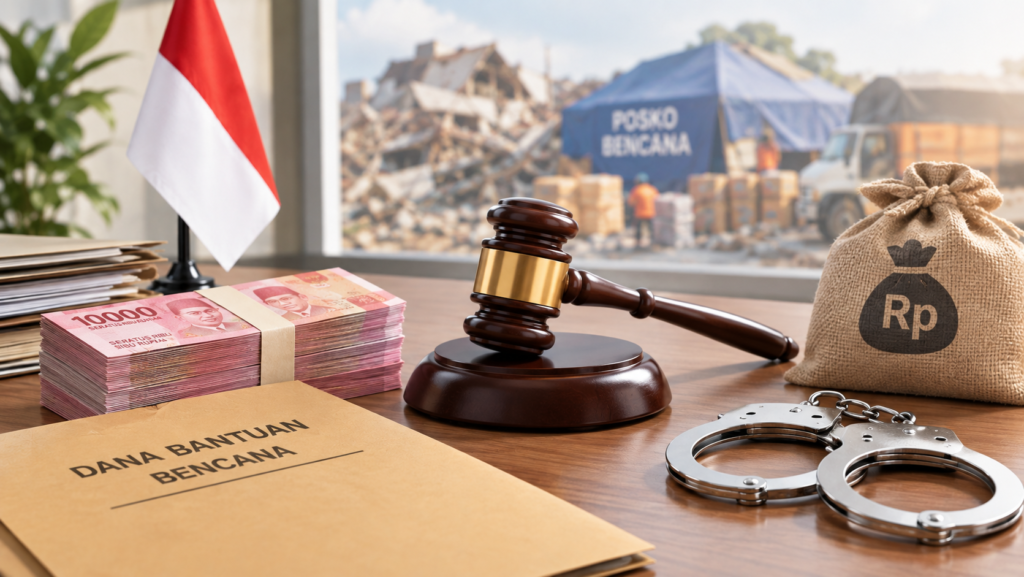
What happens when funds intended to assist disaster victims are allegedly misused for personal gain? In October 2026, Indonesia’s Corruption Eradication Commission (Komisi Pemberantasan Korupsi or KPK) investigated alleged corruption involving Ready-to-Use Funds (Dana Siap Pakai or DSP) managed by the National Disaster Management Agency (Badan Nasional Penanggulangan Bencana or BNPB). Reports published on October […]
Corporate Social Responsibility Under Indonesian Law

Corporate Social Responsibility (CSR), known in Indonesia as Tanggung Jawab Sosial dan Lingkungan (TJSL), refers to a company’s responsibility toward communities and the environment affected by its business activities. CSR programs may support education, healthcare, economic empowerment, environmental conservation, and public facility development. However, Corporate Social Responsibility under Indonesian law involves more than social activities […]
Nominee Prohibition in Indonesia: Legal Risks and Lawful Ownership Structures

The nominee arrangement in Indonesia is an important legal issue for investors. This is especially relevant to foreign investors. A nominee arrangement generally involves one person being formally registered as a shareholder or asset owner. However, another person holds the actual economic interest. Indonesian law prohibits certain nominee arrangements in share ownership. The main provision […]
Wawang & Partners Law Firm Conducts Staff Training at Puri Asia
Wawang & Partners Law Firm participated in the Puri Asia staff training held in two sessions in August and September 2026. The training aimed to improve staff development, with a focus on service standards, workplace professionalism, ethics, and customer needs in the hospitality industry. First Training Session Held Online on 25 August 2026 The first […]
Kunjungan Akademik ke KPK, MK, dan DKPP
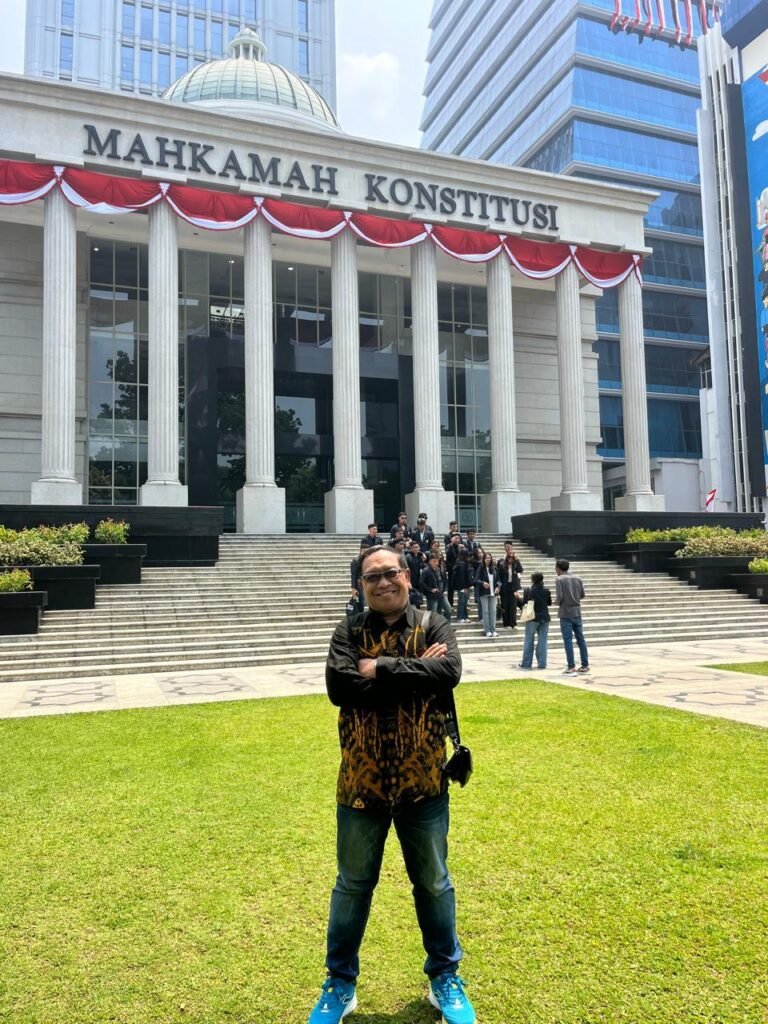
Program Studi Magister Hukum Fakultas Hukum Universitas Mahasaraswati Denpasar melakukan kunjungan ke sejumlah lembaga negara di Jakarta. Lembaga tersebut adalah Komisi Pemberantasan Korupsi (KPK), Mahkamah Konstitusi (MK), dan Dewan Kehormatan Penyelenggara Pemilu (DKPP). Kegiatan ini menjadi bagian dari pengalaman akademik mahasiswa. Tujuannya adalah memperluas pemahaman mahasiswa mengenai hukum dan kelembagaan negara. Melalui kunjungan langsung, mahasiswa […]
SLO Application in Indonesia: Process and Requirements

A Certificate of Operation Worthiness, known as Sertifikat Laik Operasi (SLO), is an important document in Indonesia’s electricity sector. It confirms that an electrical installation has been inspected and tested. The installation must also meet the applicable requirements before it can be operated. For businesses and property owners, understanding the SLO application process is important. […]
Foreign Event Organizers in Indonesia: Immigration Rules

Foreigners as Event Organizers in Indonesia: What You Need to Know Indonesia, particularly Bali, continues to attract international visitors, investors, professionals, and event organizers. At the same time, Indonesian authorities are strengthening immigration supervision over the activities of foreign nationals. One issue that has recently received significant attention is the role of foreigners as event […]
Surcharge Kartu Kredit di Indonesia: Apakah Legal?

Surcharge kartu kredit di Indonesia masih menjadi perhatian. Beberapa merchant mengenakan biaya tambahan saat pelanggan membayar dengan kartu kredit. Biaya ini biasanya sebesar 2% hingga 3%. Merchant dapat menyebutnya sebagai credit card surcharge atau biaya pemrosesan kartu kredit. Merchant sering menyebut biaya MDR sebagai alasannya. Namun, apakah merchant boleh membebankan biaya tersebut kepada pelanggan? Pengertian […]